My navigation of miscarriage gave me a greater understanding of abortion, one beyond its basic definition.
Both miscarriage and abortion involve the loss of pregnancy. In a miscarriage, the body ends the pregnancy naturally. An abortion is a deliberate termination of a pregnancy. However, the two are not always exclusive and can be deeply intertwined. To be compassionate towards one, you must understand the complexities of both.
1 in 4 pregnancies end in miscarriage. To many, that’s just a stat. To me, it’s personal. Every October 15th, I light a candle to continue my healing and for all who have experienced the loss of a child at any time.
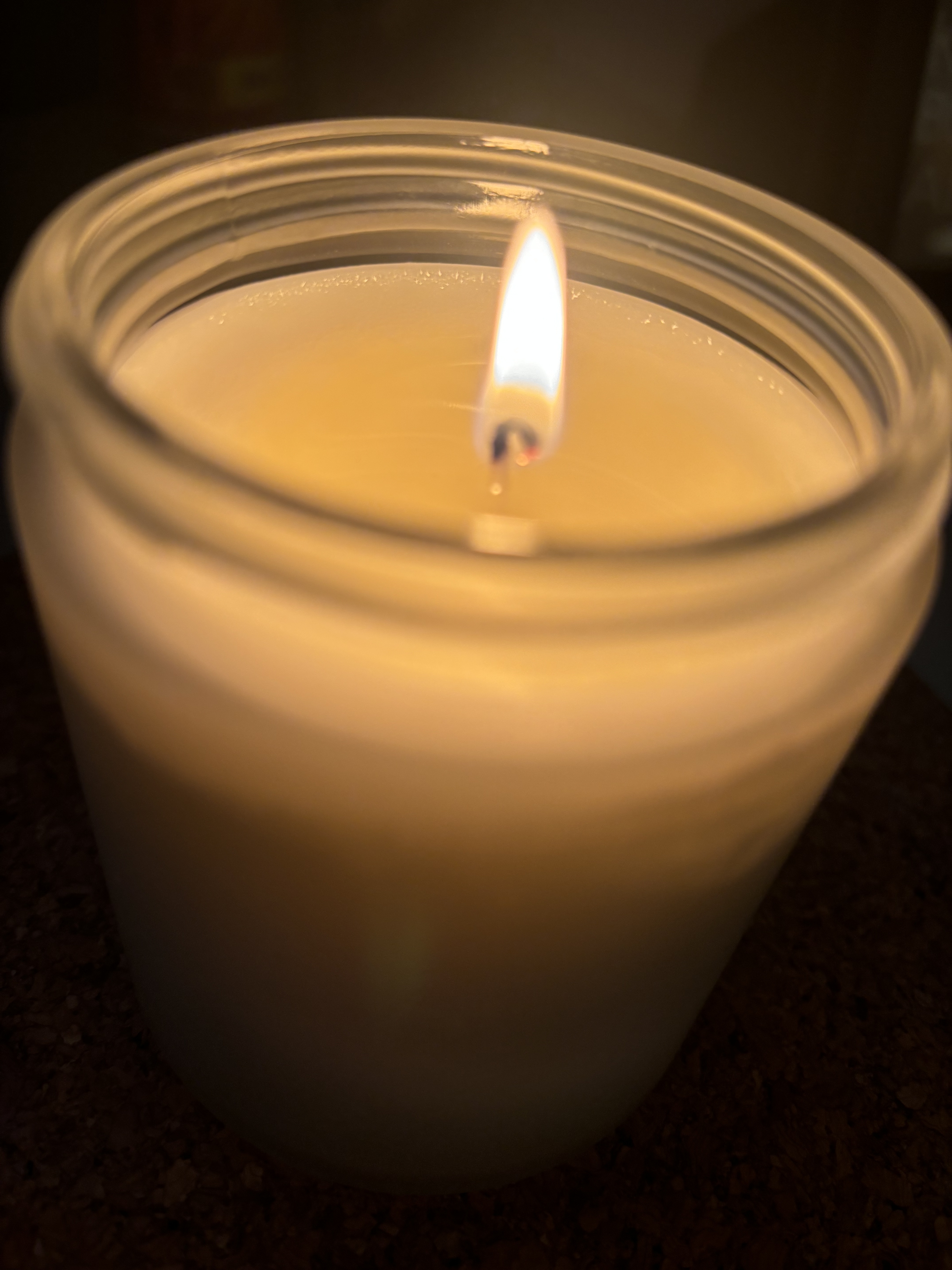
But that’s not enough, especially right now. We need more conversation, more information, and more care and understanding on this topic because in a roundabout way, it affects us all.
FACT: Surgical procedures and medication used for miscarriages are identical to those for abortions. Miscarriage care is critical health care, and delays in removing pregnancy tissue can lead to dangerous complications like hemorrhaging, infections, and even life-threatening sepsis.
In my own experience, knowing my body and my emotional state at the time, expectant management wasn’t a consideration. The emotional burden of waiting for my miscarriages to resolve naturally was physically and mentally too much, leading me to choose a D&C, the most common method of an abortion procedure, twice.
I had never felt so much emotional pain. But I will never forget the unmatched kindness and compassion of the surgeon who performed my procedure. Being able to make this choice for myself, with full support from my husband and my doctors, brought me the comfort I needed in a way that waiting weeks for the pregnancies to pass on their own never could have.
FACT: About 20 percent of those who opt for expectant management still end up needing surgery or medication.
Even with the opportunity to move forward with my physical recovery, the emotional toll was profound and life-changing. I cannot imagine the lingering process of having to wait it out at home. My husband would say the same.
I understand if this is difficult to fully understand. But if you can, I ask you to imagine yourself, your daughter, niece, or best friend in this situation. Consider how vital it is for her to have the option to choose the method that’s healthiest for her. Denying choice only deepens her trauma. No one should be judged for how they navigate such a deeply personal and heartbreaking experience, and no one should be told, at such a vulnerable and life-changing moment, that they have no choice.
I never thought I would consider us blessed. I now do. We found daylight. I am healthy and my husband and I have built a beautiful life for two.

 makemyhousemyhome